Czech Republic
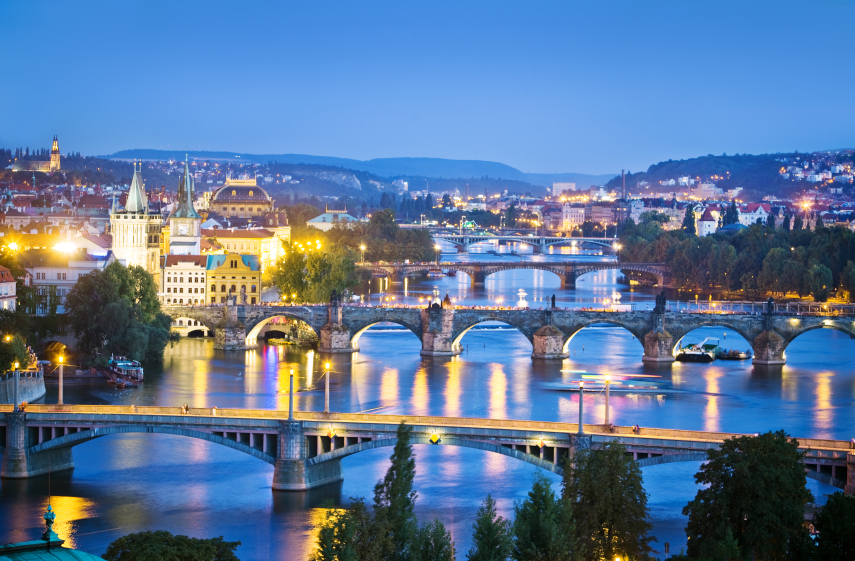
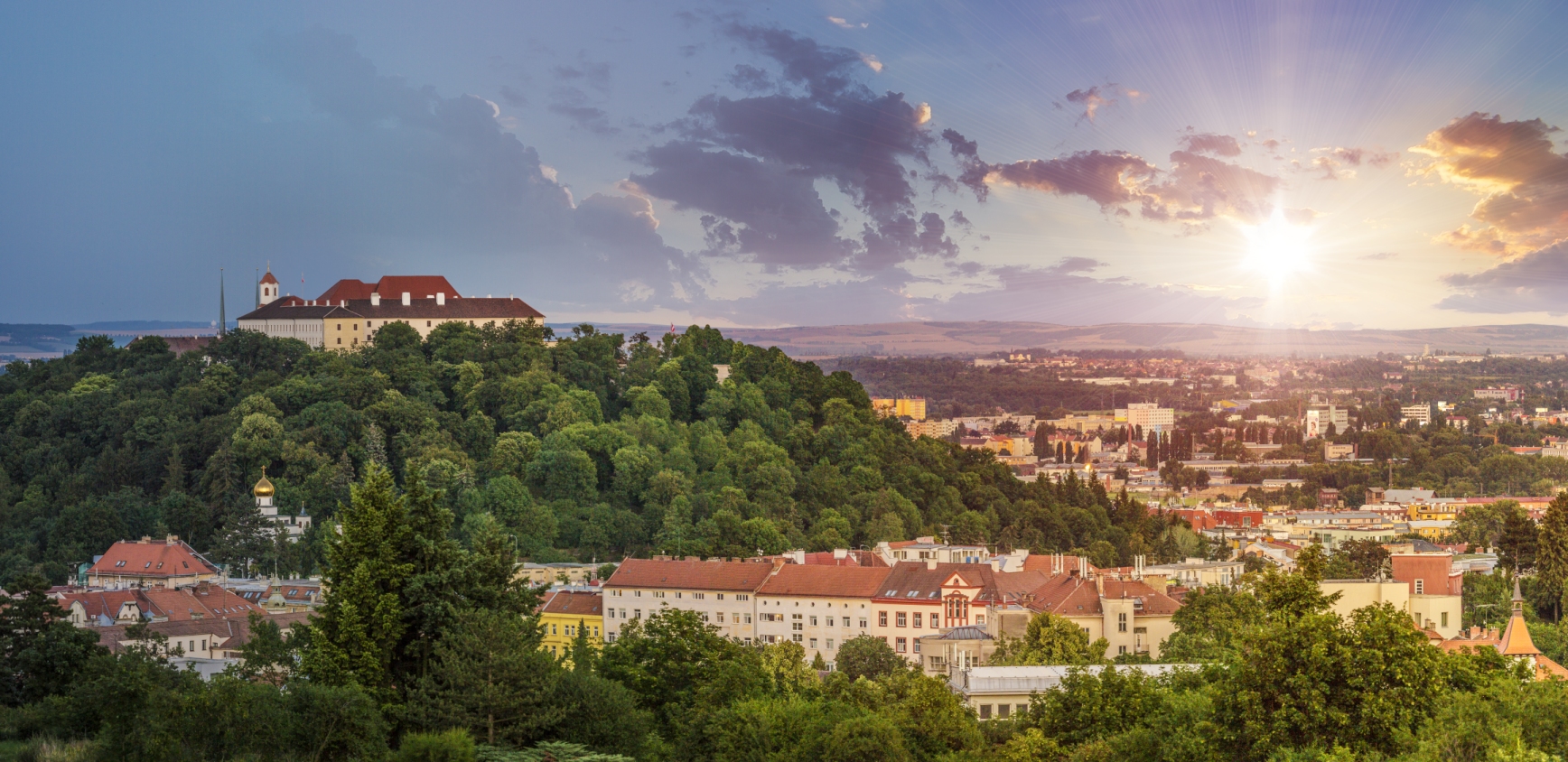
The Czech Republic is a land-locked country which is situated in the centre of a temperate zone of the northern hemisphere in the central part of Europe and covers the territory of the historic lands of Bohemia, Moravia and a part of Silesia. The state frontiers border on Poland (761.8 km), Germany (810.3 km), Austria (466.3 km) and Slovakia (251.8 km). From the physical-geographical point of view the Czech Republic is situated on the divide of two mountain systems of the Bohemian massive and the Western Carpathians. The main European watersheds dividing the river basins of the North, Baltic and Black Seas pass through the territory of the Czech Republic.
Natural wealth
The natural wealth in the Czech Republic is protected in many areas which have officially been declared nature reserves. On the territory of the Czech Republic there are four national parks (Krkonose, Sumava, Podyji and Czech Switzerland) which are subject to the strictest rules to assure their protection.
On the territory of the Czech Republic there are numerous cold and hot natural mineral water springs which are used for curative and convalescent treatments in areas where there are also spas. Many of these sources also serve for the production of mineral and table water.
Industry
The Czech Republic has a long-standing tradition in industrial production. The composition of its industries is being restructured to typically correspond to a small but mature market economy. In recent years the share of food production has increased, while there has been a decline in the engineering segment, which, however, continues to be the most important industrial branch in the Czech Republic. The most developed areas in consumer goods production are the traditional branches manufacturing textiles and clothing, shoes, porcelain, ceramics and costume jewellery.